 BeachFinder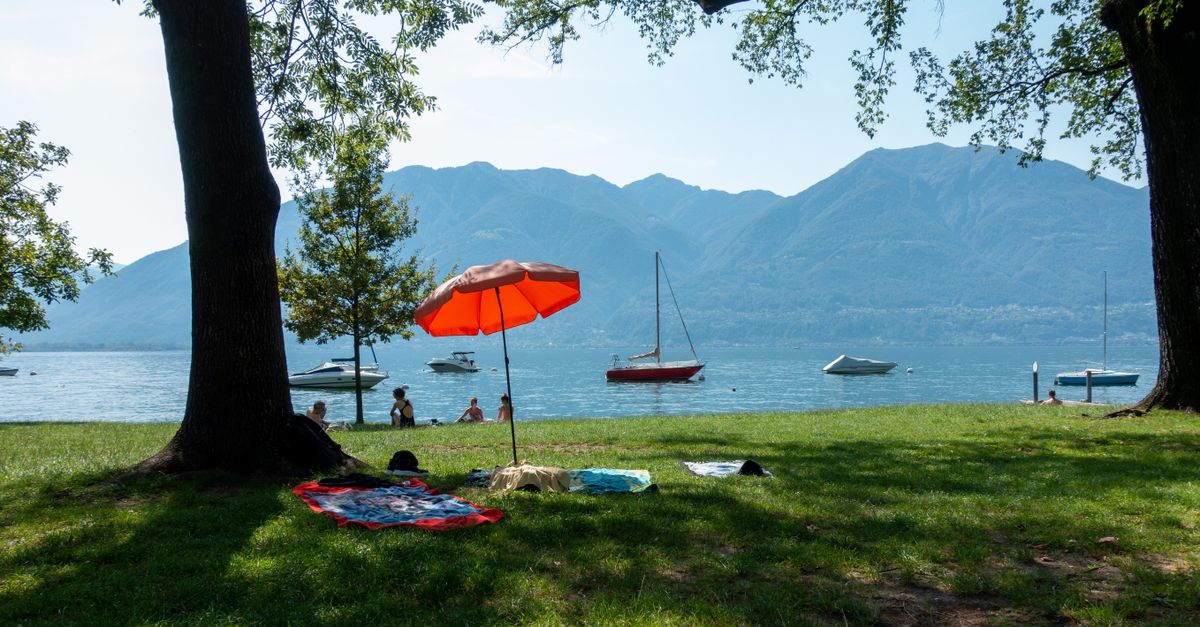
The upsides of a lake
A lake means fresh water: nothing to sting your eyes, no salt clinging to your skin, no swimsuit to rinse in a hurry. The surface is generally calm, with no waves or tide, which is reassuring with young children and makes learning to swim easier. In summer, a shallow lake or a well-exposed Alpine lake can be genuinely warm, sometimes more so than the nearby ocean.
Other concrete advantages: no jellyfish or sea urchins, often gently sloping grassy beaches, frequently free access and family-friendly facilities (playgrounds, pedal boats, shade from trees). For a quiet, predictable day's swimming, a lake ticks a lot of boxes.
The upsides (and demands) of the sea
The sea offers waves to play in, bodysurfing, the feeling of open water and salt water that supports the body better. In the middle of a heatwave, it also stays cooler and more refreshing than a mild lake. The constant churning also limits the risk of toxic algae blooms like those in stagnant fresh water.
But it calls for more vigilance: tides change the foreshore and distances over the course of the day, rip currents or undertows can drag a swimmer out to sea, and the wildlife (jellyfish, weever fish, sea urchins) varies by area and season. The salt means you have to rinse off and it dries out the skin. It's livelier, but less "predictable" than a lake.
Temperature and feel: what changes
The big difference in feel comes down to temperature and buoyancy. In summer, a shallow lowland lake can read 24-26 °C at the surface, often above the churned Atlantic (18-21 °C on the west coast). The Mediterranean, for its part, rivals the lakes and sometimes tops 25 °C in August.
As for floating, salt increases the density of sea water: you float noticeably better in it than in fresh water, where the body sinks a little more. Finally, a lake that's warm at the surface can hide icy water deep down (thermocline), whereas the sea varies more gradually near the coast.
Things to watch with a lake
A lake isn't without its drawbacks. In hot weather with stagnant water, cyanobacteria ("blue-green algae") can bloom and make swimming dangerous: check local alerts and give it a miss if the water turns soupy green. The temperature drops fast with depth: a surface at 25 °C can hide water at 10-15 °C a few metres down, hence a risk of cold-water shock when diving in.
Finally, not all lakes are supervised, some mountain lakes stay cold even in high summer, and a few bodies of water ban swimming outright. Check the rules and the marked-out areas before getting in, especially with children.
Lake or sea: the comparison
| Criterion | Lake | Sea |
|---|---|---|
| Salt | No (fresh water) | Yes |
| Waves / tide | Almost none | Yes, variable |
| Currents | Rare | Possible (rip currents) |
| Temperature (summer) | Often 22-26 °C at the surface | ~18-21 °C (Atlantic), up to 25 °C+ (Mediterranean) |
| Buoyancy | Lower | Better (salt) |
| Jellyfish / stinging wildlife | No | Depending on area |
| To watch | Cyanobacteria, cold water deep down | Currents, tides, wildlife |
To decide day by day, compare the real conditions (temperature, wind, quality) on BeachFinder.
Which to choose for your day out?
There's no absolute winner: the right choice depends on the weather, the group and the mood of the day.
- With young children: a sheltered, gently sloping lake, calm and current-free, is often more relaxing — provided you check there's no cyanobacteria alert.
- In strong wind on the coast: a protected lake stays swimmable when the sea is rough and dangerous.
- In the middle of a heatwave: the sea, cooler and churned, refreshes better than a mild lake that's sometimes at risk of algae.
- To swim far or surf the waves: the sea wins, with care taken over currents.
In every case, look at the water temperature and quality forecast for both options before deciding.