 BeachFinder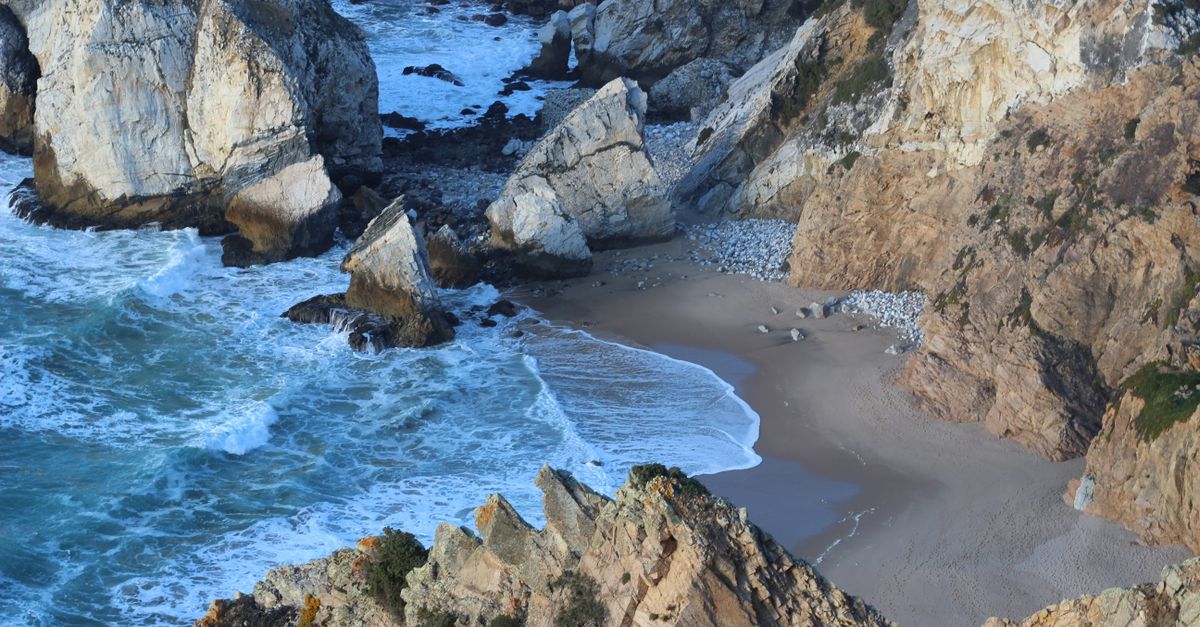
A fast-growing practice
Swimming far from crowded beaches, in a deserted cove or a mountain lake, appeals to more and more people. This "wild" or "open-nature" swimming offers calm, beauty and a sense of freedom, but it completely changes your relationship with risk: you alone are responsible for your safety.
The appeal of isolation is also what makes it demanding. No flag, no lifeguard station, often no phone signal, and sometimes a long or technical access. Well prepared, it's a wonderful experience; improvised, it can turn into an accident.
What the regulations say
In France, there is no general ban on swimming outside supervised areas, but the mayor can regulate or ban swimming within the commune by decree, on safety grounds. Frequently banned are:
- harbours, navigation channels and the surroundings of structures (dams, locks, breakwaters);
- certain nature reserves and protected areas;
- private water bodies or ones reserved for another use (drinking-water reservoirs, industrial basins);
- the vicinity of fishing or mooring areas, depending on the commune.
Check with the town hall or the signs on site. Key point: the absence of a lifeguard station does not mean swimming is allowed — nor banned. It's the local decree that decides.
Safety first
Outside supervised areas, no one is watching over you. Take these precautions every time:
- Never swim alone and tell someone your plans and expected return time.
- Beware of currents, rip currents (baïnes) on the Atlantic coast, and slippery rocks covered in seaweed.
- Check the tide: a cove reachable at low tide can be cut off, or even submerged, at high tide.
- Enter gradually, especially in cold water, to avoid cold-water shock after sun exposure.
- Identify your exit point before heading out, and gauge the real swimming distance.
- Bring water, something to cover up with, water shoes and a charged phone in a waterproof pouch.
In a sea emergency, 196 (CROSS) and 112 are the numbers to know.
Tides and access: the classic trap
Many cove accidents come not from the swim but from the access. An inlet reached on foot at low tide can end up cut off by the rising sea, forcing you to climb or leaving you stranded. Always check tide times before heading out on the Atlantic or the Channel, and allow a comfortable margin.
Watch out too for coastal paths in wet weather (slippery rock, loose scree), falling rocks at the foot of cliffs, and rapid changes in the sea: a rising swell turns a peaceful cove into a backwash trap. A spot that's safe in the morning isn't necessarily safe in the afternoon.
Leave no trace
Secluded spots stay beautiful because people respect them. Adopt the "leave no trace" principle:
- take away all your rubbish, including organic scraps (peelings, cores) and cigarette butts;
- don't disturb the wildlife and don't pick anything;
- stay on the paths to avoid eroding the banks and the fragile coastline;
- keep the noise down and respect the peace of the place and of others;
- prefer a mineral sunscreen and biodegradable soap to reduce your impact on the water.
What you carry in, you carry out. That's the condition for keeping these places open and preserved.
How to track down a quiet cove
The finest coves take a little effort. A few concrete tips:
- Scan a satellite map for small inlets between two known beaches, often linked by a coastal path.
- Favour access on foot over by car: it naturally filters out the crowds.
- Shift your timing (early morning) and avoid the heart of a summer afternoon.
- Check the orientation relative to the day's wind: an inlet sheltered from the mistral or the tramontane will be far more pleasant.
- Cross-check the conditions (sea, wind, tide) before committing to a long access.
An app like BeachFinder lists a large number of spots beyond the main beaches, with their conditions, to scout out a quiet corner before you head there.