 BeachFinder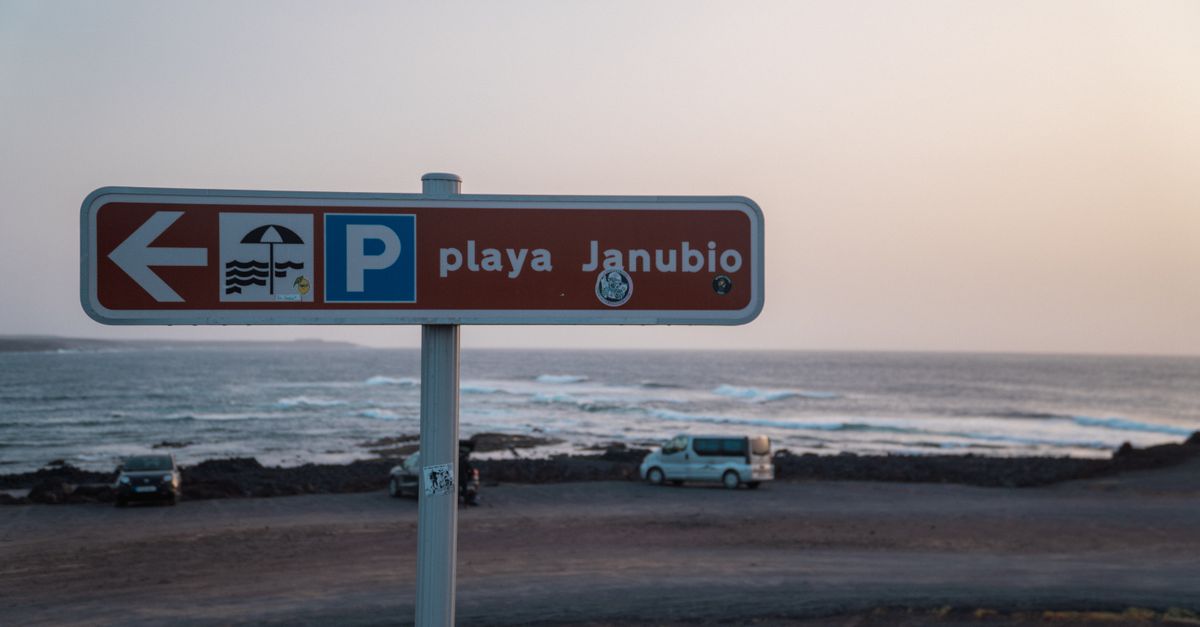
Parking vs camping: the distinction that matters
In France, the law does not forbid you from sleeping in a legally parked vehicle: simply closing your eyes inside a van with its wheels on the ground still counts as parking. What tips you over into camping is occupying the space around the vehicle.
The moment you set out a table, chairs, an awning, levelling blocks or jacks, or pop a rising roof, you are showing a residential use. Along the coast, this behaviour can very often be fined, even where daytime parking is free. The golden rule is simple: stay "invisible".
| Parking (generally tolerated) | Camping (often banned along the coast) |
|---|---|
| Wheels on the ground, vehicle closed up | Levelling blocks, jacks, raised roof |
| Curtains or blackout blinds drawn | Table, chairs, awning outside |
| Nothing outside | Attached tent, laundry hung out |
| One-off night, early departure | Set-up that lingers, fire, barbecue |
The coast is a special case
Coastal towns regulate overnight parking far more strictly than inland areas, especially in summer when the crowds explode. Many ban it at night on beach car parks, seafronts and around dunes through a municipal order issued by the mayor. The rules change from one town to the next, sometimes from one car park to another within the same town.
- Read the signs at the entrance to the car park carefully: height limit (often 1.90 m or 2 m to keep vans out), 10 pm - 7 am ban, wording such as "no motorhomes" or "no camping".
- If in doubt, ask at the town hall or the tourist office: they know the order in force.
- Protected areas (dunes, nature reserves, listed sites, state forests, Conservatoire du littoral land) are generally closed to overnight parking and wild camping.
- A height barrier or a sign always takes precedence over the general principle of free parking.
Good habits for a quiet night
A successful night comes down mostly to good manners, not luck. Discreet van lifers are the ones left in peace; they are also the ones who preserve the tolerance the next travellers rely on.
- Arrive late, leave early: aiming for a discreet window (evening arrival, early-morning departure) sharply reduces the risk of being moved on.
- Never visibly settle in: nothing outside, no visible levelling blocks, roof down if possible.
- Pick an already flat spot to avoid getting out the blocks, a classic sign of camping.
- Zero trace: no litter left behind, no waste water emptied into nature, gutters or sand.
- Respect the quiet: no music, no barbecue, no generator at night.
The more discreet and respectful you are, the less you risk being woken by the gendarmerie and told to move on.
Where to sleep legally near the coast
If the immediate seafront is locked down, several alternatives let you sleep with peace of mind, often just a few minutes from the beach.
- Motorhome service areas: legal spaces designed for vans, often with water and waste disposal, sometimes electricity. Many are set back from the seafront but connected to the beach on foot or by bike.
- Campsites open to overnighters: the comfortable option when the coast is packed, with toilets and hot showers.
- France Passion: free nights at producers' properties (farms, winegrowers, oyster farmers), often located inland, away from the summer bustle.
- Authorised car parks set back from the shore: parking a little inland and heading to the sea in the morning avoids the most heavily monitored areas.
Apps to find reliable spots
Community apps save valuable time and spare you plenty of nasty surprises.
- Park4Night: the reference in Europe, with rated locations, photos and, above all, recent reviews from travellers who flag when a spot becomes off-limits or monitored.
- iOverlander: the worldwide equivalent, also very handy for water and waste-disposal points.
- France Passion: the free host network at producers' properties (annual membership).
One habit: always read the dated comments, because a spot that was still perfect a year ago may have been closed by a new order. To find a quiet swimming spot near your evening stop, BeachFinder lists beaches, coves and lakes with today's conditions (water temperature, wind, crowds).