 BeachFinder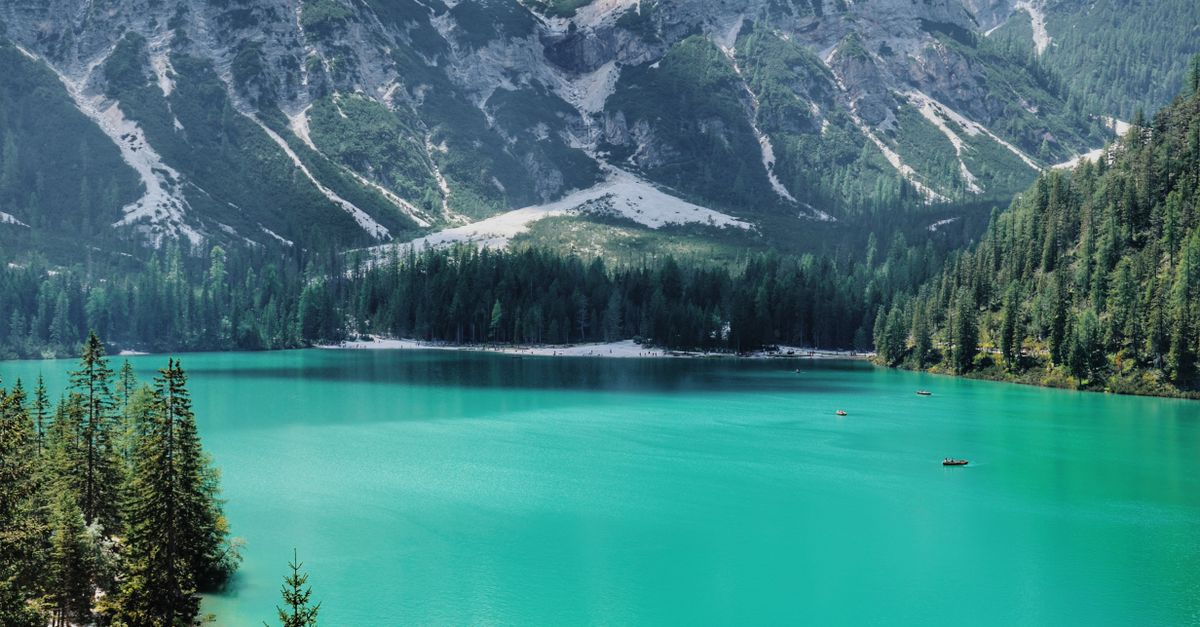
The must-sees of the Northern Alps
The lac d'Annecy is a benchmark: renowned for the purity of its water, it lines up beaches, both public and paid, around the town and the villages (Albigny, Saint-Jorioz, Duingt, Talloires, Doussard to the south). In the height of summer, the surface often reaches 23-26 °C. Right next door, the lac du Bourget, the largest natural lake in France, offers lovely sheltered swimming areas on the Aix-les-Bains and Le Bourget-du-Lac sides.
The lac d'Aiguebelette, in Savoie, is prized for its emerald and often warm water (up to 27-28 °C), with a ban on combustion-engine boats that preserves its calm. Further south of Grenoble, the lac de Monteynard and the lac de Laffrey also offer real beaches, Monteynard being known for its Himalayan footbridges and its coolness, welcome during heatwaves.
The Southern Alps and the Verdon
Further south, the lac de Serre-Ponçon (Hautes-Alpes) is a vast turquoise body of water surrounded by mountains, ideal for swimming and water sports, with large beaches such as Savines-le-Lac or Le Sauze-du-Lac. In the Verdon, the lac de Sainte-Croix combines spectacular water, pedalo hire and access to the famous gorges, while the lac de Castillon and the lac d'Esparron round out the options.
These reservoir lakes offer real beaches and an "open water" feel high in the mountains. Their surface warms up nicely in summer (often 24-26 °C), but their considerable depth means the water is far colder as soon as you move away from the surface: enter gradually.
Temperature: what to expect depending on the lake
Not all Alpine lakes are equal on temperature, and the gap can exceed 10 °C from one body of water to another on the same day. The large, well-exposed valley lakes (Annecy, Bourget, Aiguebelette) warm up nicely in summer. The large reservoirs of the south (Serre-Ponçon, Sainte-Croix) are pleasant at the surface but cold at depth.
| Lake | Area | Approx. altitude | Surface in peak summer |
|---|---|---|---|
| Aiguebelette | Savoie | ~375 m | ~26-28 °C |
| Annecy | Haute-Savoie | ~447 m | ~23-26 °C |
| Le Bourget | Savoie | ~232 m | ~24-26 °C |
| Sainte-Croix | Verdon | ~480 m | ~24-26 °C |
| Serre-Ponçon | Hautes-Alpes | ~780 m | ~22-25 °C |
| High-altitude lakes | High mountains | > 1 800 m | Often < 18 °C |
Indicative values depending on the weather. The actual temperature of a specific lake varies greatly over the course of the season.
Beware of high-altitude lakes
The small mountain lakes at high altitude (above 1 800-2 000 m) often stay cold, even icy, in the middle of July: the water there comes from melting snow and the surrounding air is cool. Swimming there is possible but must stay very short, as the thermal shock can catch you out.
- Enter gradually, wet the back of your neck and your arms before immersing your torso;
- Never dive straight into very cold water (risk of cold-water shock);
- Check that swimming is allowed: many high-altitude lakes, reservoirs or protected lakes prohibit it;
- Bring a warm towel and something to get dressed quickly after coming out of the water.
Also remember that even on a large "warm" lake, the water turns cold within a few metres of depth (thermocline): the feel at the surface is misleading.
Families, safety and regulations
For families, favour the developed beaches supervised in season: Annecy, Le Bourget, Aiguebelette and Serre-Ponçon have several, with marked shallow zones, first-aid posts and sometimes equipment hire. Supervision hours and periods vary from one town to another, so check before you set off.
Swimming is not unrestricted everywhere: some lakes or areas are prohibited for safety reasons (dams, currents near structures, navigation zones), others to protect the drinking-water supply. Respect the markings, keep away from boat zones and keep young children within reach, including in calm water.
Access, parking and vans
- Access and parking: popular beaches fill up early in summer, arrive in the morning to find a spot and some shade;
- Vans and campers: several sites have designated areas or campsites nearby; overnight parking at the water's edge is often regulated, so scout out a site in advance;
- Today's temperature: it varies a lot from one lake to another and with depth, so don't rely on an average;
- Water quality: check local alerts, particularly for cyanobacteria during hot spells in sheltered areas.
BeachFinder brings together these markers (temperature, wind, quality) rated by the community so you can compare Alpine lakes before you set off.