 BeachFinder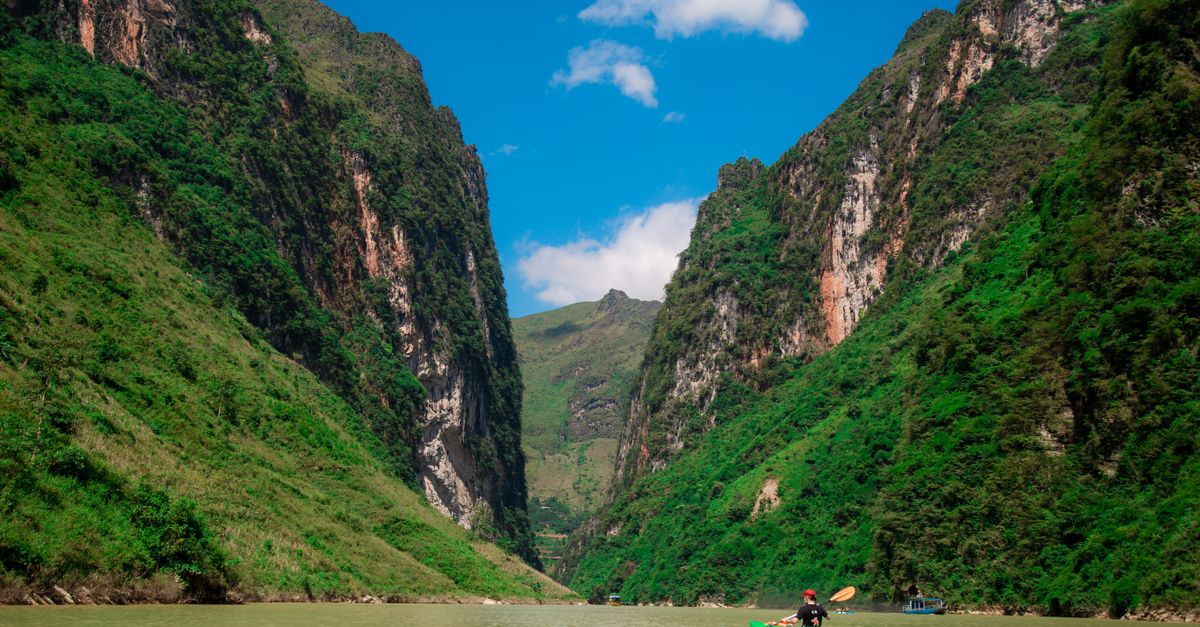
Overview by region and level
Before the detail, a quick reference table. The levels shown are indicative and vary greatly depending on the specific section and the day's flow.
| River | Region | Best for |
|---|---|---|
| Dordogne | South-West | Families, easy-going canoeing for a first taste |
| Ardèche | South (gorges) | Independent but guided beginners, canoeing in summer |
| Durance | Southern Alps | Beginner to intermediate, rafting |
| Isère | Northern Alps | Intermediate to sporty, clubs |
| Gaves | Pyrenees | Intermediate to advanced, kayaking, strong in spring |
| Verdon | Alps / Provence | Advanced to expert depending on the section |
Indicative benchmarks. The actual class of a section always depends on the water level at the time.
For beginners and families
Some rivers are known for being gentler and more accessible, perfect for a first experience:
- Ardèche — a very popular canoe descent in summer, with easy passages and spectacular gorge scenery. Ideal for a first independent-but-guided outing; you can run it over one or two days with a bivouac.
- Dordogne — a calm course, perfect with the family, with châteaux as a backdrop. Few rapids, plenty of paddling and swimming enjoyment.
These rivers suit beginners, but still need watching after heavy rain: even a calm course can swell and pick up driftwood. Check the minimum age and the water level before setting off with the family.
For building skills and having fun
A notch up, versatile rivers that ramp up in power with the flow:
- Durance (Southern Alps) — a great rafting classic, with varied sections suited from beginner to intermediate. Many centres run first descents there, and the stretch changes character markedly between summer low water and the spring snowmelt.
- Isère — a dynamic alpine river, with sporty sections popular with clubs. Guaranteed thrills at the right water level, with passages that already call for confident current reading.
On these rivers, aiming for a section suited to your real level matters more than the river's overall reputation.
For seasoned paddlers
For those who already have whitewater and the roll under control:
- Verdon — an exceptional setting and committing sections; some runs (the gorges) are for experienced paddlers only and call for real logistics. The beauty of the site shouldn't make you forget the commitment.
- Pyrenean gaves — lively mountain rivers (gave de Pau, gave d'Aspe, gave d'Oloron), with sustained flow in spring as the snow melts. A renowned kayaking playground, with technical passages and often cold water.
On these rivers, scouting the rapids, a good technical level and a trained group are essential.
Matching your choice to the season and the discipline
The "best" spot depends on the moment and the craft. The season changes a river's face:
- Spring — snowmelt: strong flow on alpine and Pyrenean rivers, maximum thrills but cold water and high power. Better for confident paddlers.
- Summer — gentler flow and less icy water: the ideal time to start, especially on the Ardèche, the Dordogne and the beginner stretches of the Durance.
- After a storm — any river can rise sharply; you postpone or back off.
The discipline matters just as much: a guided raft runs sections that would be committing in a solo kayak, and a SUP is far more sensitive than a canoe on the same water. Choose a stretch calibrated to your practice.
Choosing by level and flow
There's no "best" river in absolute terms: the same river can be ideal at one flow and dangerous at another. Before you choose:
- Start from your real level, not the spot's reputation or what you hope to pull off.
- Check the day's flow and the weather over the catchment, not just the sky at the put-in.
- Target the specific section: a single river often alternates between family-friendly flat water and serious rapids.
- For a first time, favour a local centre or club that knows the river and its water at the time.
BeachFinder lists whitewater spots and, where the data exists, shows condition benchmarks to help you prepare your outing.