 BeachFinder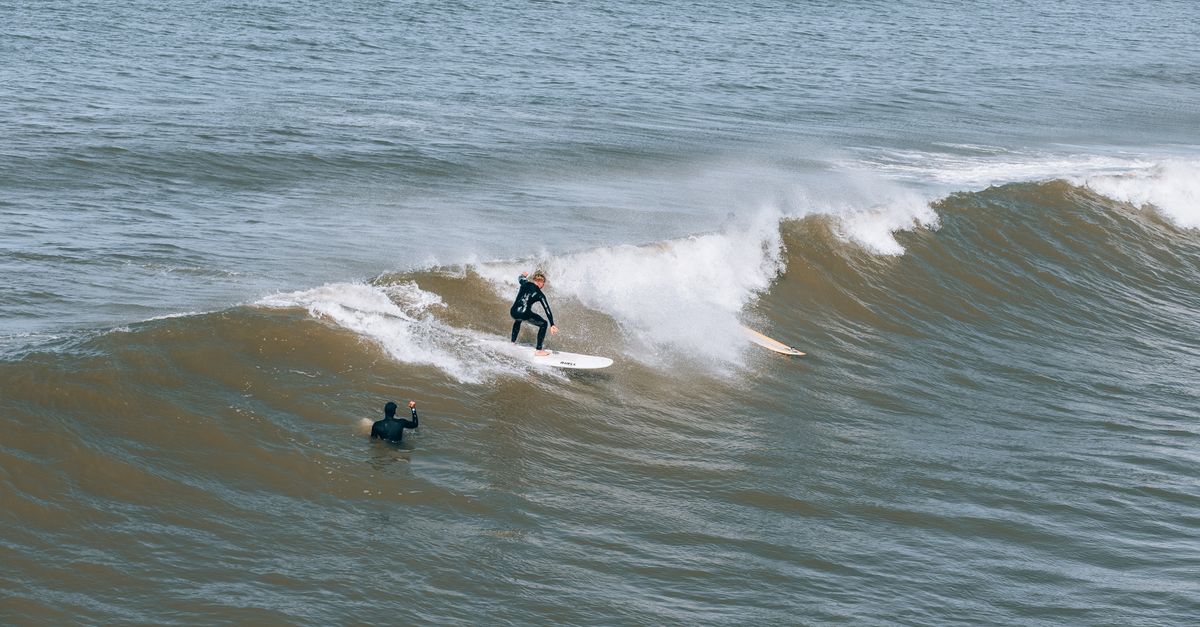
The Landes: Hossegor & Seignosse (experienced)
The Landes coast is the heart of French surfing. Hossegor is world-famous for its powerful, hollow beach breaks, capable of producing big barrels, especially in autumn when the sandbanks deepen. Seignosse, just to the north, lines up several high-quality beaches (Les Bourdaines, Les Estagnots, Le Penon).
These spots are above all for experienced surfers: the power, the shifting sandbanks and the rip currents (baïnes) demand experience. Beginners can find gentler areas away from the big-swell days, ideally with a surf school. Watch the tidal range: the same beach behaves completely differently between low and high tide.
The Basque Country: Biarritz, Côte des Basques (beginners)
Biarritz is an excellent place to start learning. The Côte des Basques is known as welcoming for beginners: often softer, more rolling waves, plenty of surf schools, and the historic cradle of longboarding in Europe. The Grande Plage, right in the town centre, adds to the offer. The seabed and layout here are more forgiving than a Landes beach break on a big-swell day.
Further south, Guéthary and the surrounding area hide more serious reef waves, best left to experienced surfers. The Basque Country works for a large part of the year and remains a great place to catch your first real waves out in the line-up.
Brittany: La Torche and the south coast
In Brittany, La Torche (southern Finistère, Baie d'Audierne) is the flagship spot: a long, exposed beach that captures Atlantic swell very well, suited to all levels depending on the day, with schools on site. The region offers many other beaches that work according to their orientation and the swell, from Finistère to the Morbihan.
The water here is colder than in the south-west: a suitable wetsuit (often 4/3 mm, thicker in winter) is essential for much of the year. Brittany also has the advantage of a heavily indented coastline: when the wind is awkward at one spot, a better-oriented one is often surfable nearby.
The Vendée and Charente-Maritime
The Vendée (the Sables-d'Olonne, Bretignolles, Longeville areas and around) offers beach breaks that are often more approachable, with good windows in spring and autumn. Further south, Charente-Maritime (Île de Ré, Île d'Oléron) has beaches that work depending on the swell and wind of the moment.
This stretch of coast receives slightly smaller swell than the Landes, which makes it interesting when the ocean is too big further south. The key is less the name of the spot than the conditions on the day at that precise location.
The Channel and the North: wind surf
From Normandy (Siouville, La Hague) to the Hauts-de-France (Wissant, the Côte d'Opale), the Channel and the North Sea offer a more low-key surf, often fed by wind-swell (short-period, wind-generated waves) rather than long Atlantic groundswell. Sessions are more irregular and depend on windy spells.
It's a handy playground for surfers in the north-west when a low-pressure system passes through: cold water, a thick wetsuit essential, but genuine surfable windows. Reading the wind matters even more here than elsewhere.
Summary by area: level and season
Each area has its own skill profile, its best window and its temperature constraint. The table below gives starting reference points, always to be checked against the day's forecast.
| Area | Best for | Best window | Water / wetsuit |
|---|---|---|---|
| Landes (Hossegor, Seignosse) | Experienced | Autumn | Temperate; 3/2 to 4/3 mm |
| Basque Country (Côte des Basques) | Beginners | Summer to autumn | Temperate; 3/2 to 4/3 mm |
| Brittany (La Torche) | All levels | Spring to autumn | Cool; 4/3 mm, thicker in winter |
| Vendée / Charente | Beginners to intermediate | Spring and autumn | Cool to temperate; 4/3 mm |
| Channel / North | Intermediate (wind surf) | Autumn and winter (windy spells) | Cold; 4/3 to 5/4 mm + hood |
Which season, and how to choose your session
The Atlantic swell is bigger and more consistent from autumn into winter: these are the best conditions for experienced surfers, but the water is cold and the sea demanding. Spring offers a good compromise. Summer brings smaller swells and warmer water: the ideal season to learn, even if flat days are common and the beaches busier.
Whatever the spot, the right instinct is the same: before you travel, check the swell (size), the period (long = powerful and clean), the direction (it must suit the spot's orientation), the wind (light or offshore) and the spot's ideal tide. BeachFinder shows this data for every spot, rated by the community, which helps you choose the best place on the day rather than betting on a name.