 BeachFinder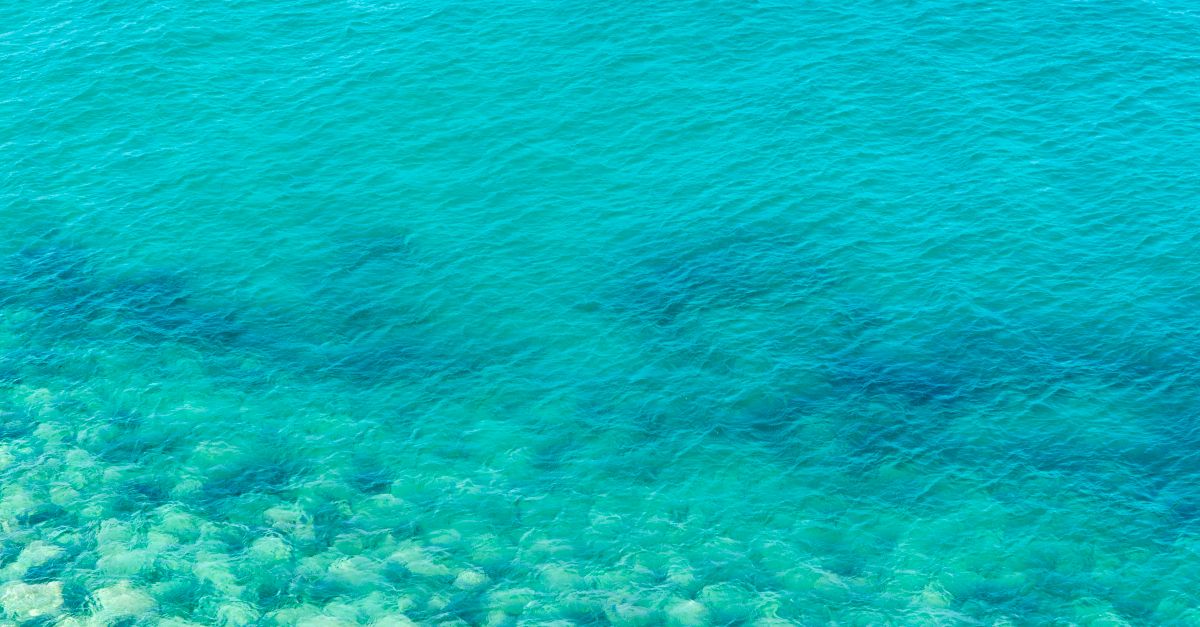
The four official ratings
Monitored bathing waters are rated each year from microbiological analyses accumulated over several seasons. The rating mainly measures the presence of bacteria of faecal origin (E. coli and enterococci), indicators of contamination. It reads across four levels:
| Rating | What it means | Swimming |
|---|---|---|
| Excellent | Top category, very low health risk | No reservations |
| Good | Satisfactory quality | No particular reservations |
| Sufficient | Acceptable quality but worth watching | Allowed, stay alert |
| Poor | Degraded quality, measures required | Not advised |
Good news: in practice, most monitored sites show good or excellent quality. The annual rating reflects the site's history; it doesn't guarantee the quality right now, which is why in-season spot checks matter.
What can degrade bathing water
Understanding the sources of pollution helps you anticipate. The main causes are:
- Run-off after rain: the most frequent cause, washing bacteria and litter into the sea and lakes.
- Sewer network overflows when systems are overwhelmed during storms.
- Agricultural or urban discharges near river mouths.
- Algal blooms (cyanobacteria in fresh water, certain micro-algae at sea) encouraged by heat and stagnation.
- Heavy crowds combined with a poorly renewed body of water.
Sites near a stormwater outlet, a harbour or a river are statistically more sensitive than open, well-mixed beaches.
The rain habit: wait 24 to 48 h
This is the most frequent and most underestimated cause of contamination. After a heavy storm or intense rain, run-off carries bacteria into the sea and lakes (overwhelmed sewer networks, leached soils). Quality can temporarily drop even at a normally excellent site.
The cautious approach: avoid swimming for 24 to 48 h after heavy rainfall, especially near river mouths and stormwater outlets. That delay gives the contamination time to disperse and the bacteria to decline under the effect of salt, sun and dilution.
Where to find the information
Several sources complement each other:
- The notice boards at the entrance to supervised beaches, which show the rating and any restrictions in force.
- The public databases tracking bathing waters, available online, which archive the analysis results.
- The municipal orders in the event of a temporary closure.
- The lifeguard stations and town halls, which know the day's situation.
BeachFinder brings together condition indicators for each spot to help you decide before you leave, without replacing official health advice.
The visual signs not to ignore
An official rating doesn't tell the whole story right now. On site, trust your senses and give it a miss if you see:
- abnormally cloudy or coloured water (brown, greenish, milky);
- a persistent foam that isn't caused by the waves;
- a strong smell (rotten egg, sewage, mud);
- algal blooms (green or blue-green sheets on some lakes, red tide at sea);
- unusual floating litter or numerous dead fish.
These signs can appear between two sampling rounds. When in doubt, don't swim — and don't let children or animals into the water.
Fresh water or sea water: different risks
Lakes, ponds and rivers aren't managed like the sea. In warm, stagnant fresh water, the main risk is cyanobacteria (blue-green algae): their toxins can cause digestive or skin problems, and are dangerous for dogs that drink the water. The salt and mixing of the sea, by contrast, limit the survival of many bacteria. On inland waters, strictly respect the temporary bans linked to algae, which are more frequent in the height of summer heat.