 BeachFinder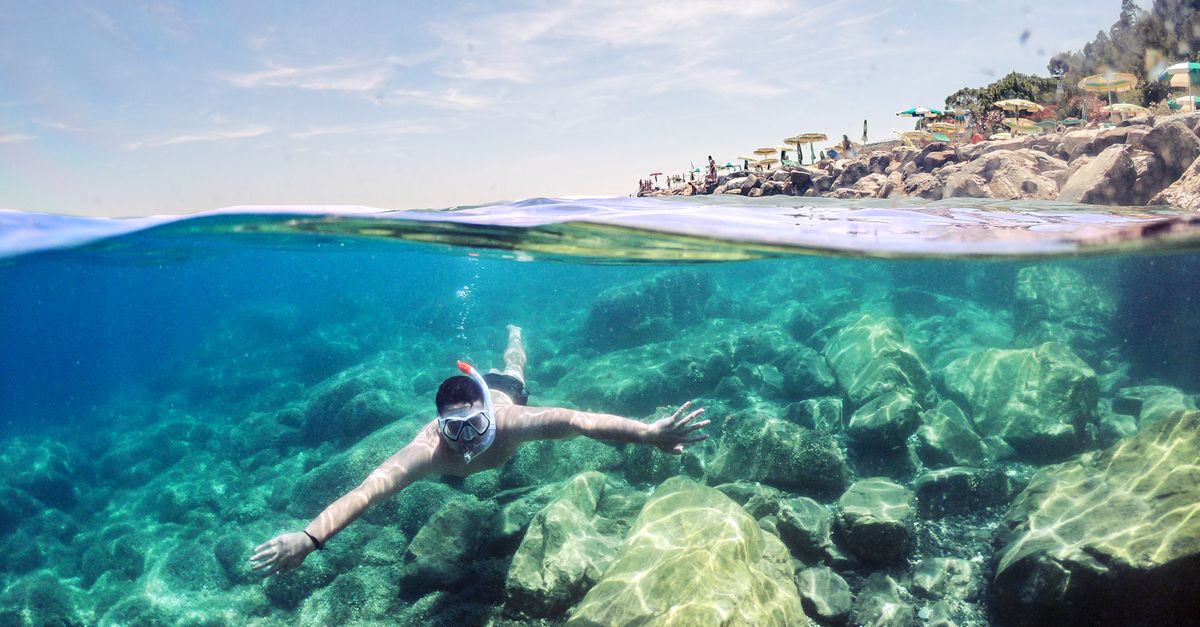
Why aim for rocky coasts and reserves
In snorkeling, life concentrates where there is structure: rocks, drop-offs, crevices and Posidonia seagrass meadows. Bare sand, by contrast, shelters few fish and offers little relief to explore. A simple rule: the rockier and more jagged the coast, the more there is to see.
Marine reserves and protected areas, where fishing is regulated, generally show denser, larger and less wary wildlife. That's the reserve effect: the fish are less harvested there and let you approach. Look for these areas first, while scrupulously respecting their regulations.
The Calanques of Marseille and Cassis
Between Marseille and Cassis, the Calanques line up crystal-clear water and plunging cliffs. Coves such as Sormiou, Morgiou or En-Vau offer rocky seabeds accessible from the shore, with water that is often very clear in calm weather. It's an iconic area of Mediterranean snorkeling.
The site is a National Park: find out about access (some roads and calanques are regulated or closed in summer depending on the fire risk) and about the rules on anchoring and visitor numbers before going. Favour early morning, before the crowds and the afternoon breeze.
Corsica and the Scandola reserve
Corsica is a top destination for mask and snorkel, with translucent water and very jagged coasts. The Scandola nature reserve (accessible mainly by boat) is renowned for its protected waters and its richness; access is regulated there, so check the current conditions.
Elsewhere, the whole island has many suitable rocky coves: the Revellata peninsula near Calvi, the Gulf of Porto or the coves of Cap Corse. The protected areas impose strict rules (no harvesting, no contact) that must be respected to preserve these sites.
Côte d'Azur and the coves of the Balearics
On the Côte d'Azur, areas such as Sainte-Maxime, Cap d'Antibes, Cap Ferrat or the île de Port-Cros (a national park, very rich) offer lovely outings, often early in the morning before the summer crowds. The small rocky coves between two beaches are frequently the most interesting.
In the Balearics (Mallorca, Menorca, Ibiza, Formentera), the calas with their turquoise water and clear seabeds are a snorkeling classic. Here too, favour the sheltered coves with stable visibility over the big busy beaches, and watch the wind, which can quickly cloud the water.
Guide by area
| Area | Type of spot | Good to know |
|---|---|---|
| Calanques (Marseille-Cassis) | Rocky coves, drop-offs | National park, access sometimes regulated in summer |
| Corsica (Scandola, Revellata) | Reserve, translucent coves | Scandola mainly by boat, strict rules |
| Côte d'Azur (Port-Cros, capes) | Marine park, coves | Port-Cros very protected and full of fish |
| Balearics (calas) | Turquoise coves, clear seabeds | Avoid windy days, aim for the morning |
Indicative pointers: in each area, the sheltered rocky cove almost always beats the big sandy beach.
What wildlife to see in the Mediterranean
Above the rocky seabeds and the seagrass meadows, you'll commonly come across colourful rainbow wrasse, schools of herbivorous salema, sea bream, damselfish in dark clouds near the drop-offs, and sometimes gilt-head bream or grey mullet. With patience, an octopus hidden in a crevice or a motionless scorpionfish rewards the observation.
The Posidonia seagrass meadows are the nurseries of the Mediterranean: fragile and protected, they shelter a discreet life and must not be trodden on. In the reserves, the diversity and size of the fish increase markedly. You always observe without touching or feeding.
Choosing the right day and time
The same spot can be magnificent or disappointing depending on the weather. The wind raises a swell and stirs up the sand, which clouds the water; so aim for a calm sea and good visibility. In the morning, the water is often flatter and the light better for revealing the colours.
After a gust of wind or heavy rain, let the water settle for 24 to 48 hours, especially near river mouths. BeachFinder helps you spot the day's conditions (sea, wind, visibility rated by the community) so you can choose the cove at the right moment rather than at random.